How to trade meme coin markets in 2026 with a simple fomo workflow
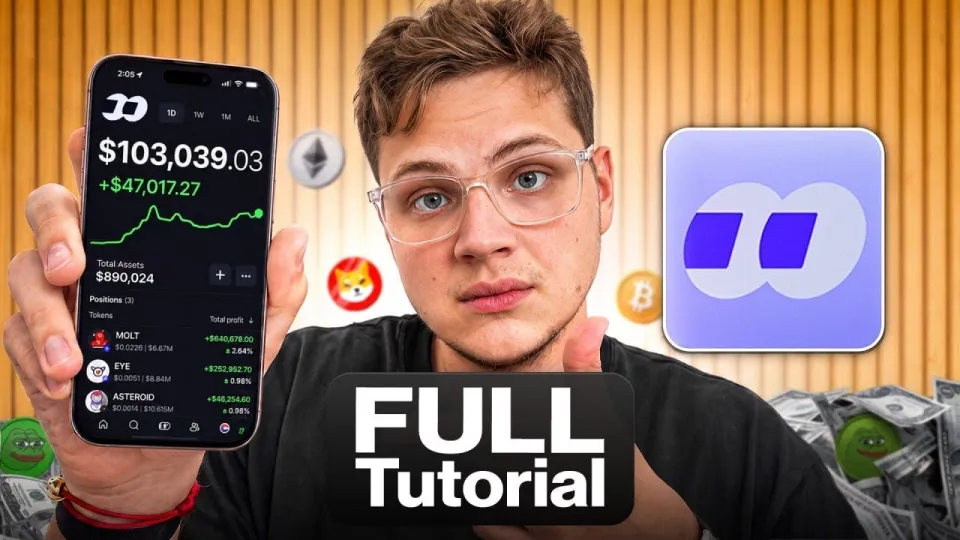
Video: How To Make Money Trading Memecoins (fomo app tutorial)
Want articles like this for your own video to promote it on YouTube and Google? Order them through the Telegram bot @sat_sit_bot. Articles with your video embedded are written and posted by the bot itself — on popular topical sites (no ads). Your first 50 articles are free.
· based on the channel Orangie Web3
Key takeaways
- fomo.family is the trading platform featured in the Orangie Web3 tutorial, with a referral link at fomo.family/r/orangie.
- Memecoins on Solana move in minutes, so the entry, size and exit rules matter more than the coin you pick.
- Copy-trading big wallets is risky: large traders often buy on a separate wallet first, so followers fill at a worse price.
- A $90 test wallet that made $30 in a day shows the upside and the drawdown risk of small-cap meme coins.
- Price alerts are the most requested fomo feature because entries and exits happen faster than manual checking allows.
Memecoin trading is a high-risk, high-speed activity where you buy small-cap tokens launched mostly on Solana, size each position so a single loss cannot wipe your wallet, and exit on pre-set rules instead of hope. The fomo app shown in the Orangie Web3 tutorial is one of the tools that puts a launch feed, charts and swaps in one place, and you can open it through the fomo referral link to follow the same workflow.
What a meme coin actually is and why it moves so fast
A meme coin is a token whose value comes from attention and community rather than cash flow, revenue or a product roadmap. That single fact explains the volatility: there is no earnings floor to anchor the price, so a wave of buys or a single large seller can move a token 50% or more within minutes.
Most of the action in 2026 happens on Solana, where launchpads let anyone create a token in seconds and where transaction fees are low enough to trade small size. The practical consequences for a trader are:
- Liquidity is thin at launch, so your own order can move the price against you.
- Contract details (mint authority, holder concentration, locked liquidity) matter more than the chart.
- Narratives rotate in hours, not weeks — a token that is trending at noon can be forgotten by evening.
This is why experienced traders treat memecoins as a trading instrument, not an investment. The goal is to capture a short move with defined risk, not to hold through a drawdown hoping for a comeback.
Setting up the fomo app before you risk a single dollar
fomo is a trading interface built for fast meme coin execution, and the setup takes a few minutes if you do it in the right order. The referral entry point used in the tutorial is https://fomo.family/r/orangie, which opens the platform with the invite attached.
A sensible setup sequence:
- Create or connect a wallet and write the seed phrase down offline — never in a screenshot or a notes app synced to the cloud.
- Fund it with an amount you are genuinely willing to lose. A common starting point for beginners is $50–$100, not a rent payment.
- Learn where the buy, sell and slippage controls sit before the market is moving. Fumbling with settings during a live candle costs real money.
- Check the fee structure and the swap route on a small test trade so you know what a round trip actually costs.
- Set a personal rule for maximum position size — many traders cap a single meme coin bet at 5–10% of the trading wallet.
One feature viewers keep asking for is native price alerts. Until that exists inside the app, the workaround is to keep a separate alert tool or a watchlist open, because checking charts manually is exactly how traders miss the exit they planned.
Position sizing and the math that keeps you in the game
Survival in meme coin trading is a sizing problem before it is a picking problem. If you risk 50% of your wallet on one token, two bad trades end the experiment; if you risk 5%, you can be wrong many times and still trade tomorrow.
A simple framework that works for small accounts:
- Define the total trading wallet first, separate from savings.
- Cap each position at 5–10% of that wallet.
- Decide the exit before entering: a target multiple and a hard stop, for example sell half at 2x and cut the rest if it drops 40% from entry.
- Take partial profits on the way up. Meme coins rarely give a second chance at the top.
- Track every trade in a spreadsheet with entry, exit, size and reason, so you can see whether your edge is real.
The viewer story of a $90 wallet that reached roughly $120 in a day and then gave some back is the normal shape of this activity. The gain is real, but so is the giveback, and only recorded numbers tell you which one dominates over a month.
Copy trading and the trap of following big wallets
Copy trading looks like the shortcut, but the timing disadvantage is structural. Large traders frequently buy a token on a secondary wallet before touching their main, publicly watched wallet, so by the time a copy-trade signal fires, the price has already been pushed up by their earlier buying.
What that means in practice:
- The wallet you follow is often the exit liquidity, not the entry signal.
- Slippage on a fast-moving token can eat the entire expected gain.
- Public wallets attract crowds, and crowds make the fill worse for everyone downstream.
Copy trading is not useless — it can surface tokens worth researching — but treating a wallet alert as a buy button is how new traders lose money quickly. Use it as a watchlist generator, then verify liquidity, holder distribution and contract safety yourself before sizing a position.
Common questions and doubts from new traders
Most beginner doubts repeat, and they are worth answering directly. New traders worry that memecoins are pure scams, that they are already too late, and that a drained wallet means the whole category is unworkable.
On the scam question: many tokens are indeed worthless or malicious, which is why contract checks and small size are non-negotiable, but the category also produces genuine short-term trading opportunities. On being too late: entering after a vertical candle is late, entering early in a narrative with a defined stop is not. On drained wallets: the usual causes are signing malicious approvals, storing seed phrases digitally, or oversizing — all fixable habits rather than proof the market cannot be traded.
Another frequent request is live coaching or beginner sessions. Until that exists, the practical substitute is paper trading the workflow for a week: pick tokens, write down entries and exits, and compare results with what actually happened before committing capital.
A repeatable routine for meme coin sessions
A routine beats improvisation because it removes decisions from the moment of maximum emotion. A workable session looks like this:
- Before trading, scan the launch feed and note three to five tokens with real volume and healthy holder distribution.
- Check each contract for mint authority, freeze authority and top-holder concentration.
- Write the entry, the target and the stop for each candidate before buying anything.
- Execute only the setups that match the plan, and skip the rest without regret.
- At the end of the session, log results and stop — chasing after a loss is the most expensive habit in this market.
Risk management is the only part of meme coin trading you fully control. The narrative, the launch and the exit liquidity are set by others; your size, your stop and your patience are yours.
Useful links
- fomo trading platform with the invite attached: https://fomo.family/r/orangie
- Orangie Web3 community on Discord: https://discord.gg/memecoins
- Orangie on Instagram: https://www.instagram.com/orangieyt/
Final thoughts on trading meme coins responsibly
The meme coin market rewards speed and discipline in equal measure, and the traders who last are the ones who size small, plan exits in advance and treat copy-trade alerts as research prompts rather than instructions. Tools like fomo shorten the distance between an idea and an execution, but they cannot replace a written plan or a hard limit on losses. Start with a small wallet, log every trade, and only scale when the numbers say your process works. The Orangie Web3 channel is the author of the walkthrough this guide builds on, and its tutorial is a reasonable starting point for the interface itself. If you want to follow the same setup, open the platform through https://fomo.family/r/orangie and begin with a test-sized trade.
Questions & answers
Is meme coin trading profitable for beginners?
It can be, but the distribution of outcomes is wide: a small account can gain 30% in a day and give it back the next. Profitability for beginners comes from strict position sizing, pre-planned exits and record keeping, not from picking the single best token. Treat the first months as paid education with a hard cap on total losses.
Why is copy trading big wallets considered risky?
Large traders often buy a token on a separate wallet before buying from their public main wallet, so followers enter after the price has already moved. Add slippage and crowding from everyone copying the same signal, and the expected gain often disappears before your order fills. Use wallet alerts to find candidates, then verify and size the trade yourself.
How much money should I start with on a platform like fomo?
Start with an amount you can lose entirely without changing your life — commonly $50 to $100 for a first test. Keep that trading wallet separate from savings, cap each position at 5–10% of it, and only add funds after a month of logged, consistent results.
What is the biggest risk with new Solana meme coins?
Contract-level risk comes first: mint authority that lets developers print more tokens, concentrated holder wallets, unlocked liquidity and malicious approval requests that drain wallets. Check these before buying, never share a seed phrase, and revoke approvals you no longer need.
Source: How To Make Money Trading Memecoins (fomo app tutorial) · Markdown version