Trading Basics and Strategies for Consistent Success
· based on the channel Tori Trades
Key takeaways
- Trading does not require an economics degree or complex math skills
- Trendlines and liquidity concepts are key tools in futures trading
- Managing risk with stops and trade tracking is essential
- Volatility can cause rapid price moves, demanding quick decision-making
- Using platforms like TradingView and TradeStation helps test and execute strategies
Trading is often perceived as complicated, but at its core, trading is simple and accessible to anyone willing to learn the basics. Successful trading does not require an economics degree, advanced math skills, or insider knowledge. Instead, it hinges on understanding price action, employing straightforward strategies like trendline trading, and managing risk effectively. For those interested, joining a waitlist such as Tori Trades waitlist for trading insights and bonuses can provide valuable educational resources and support.
Understanding Trading and Its Simple Foundations
Trading involves buying and selling financial instruments like futures, stocks, or forex with the goal of making a profit from price changes. The simplest trading systems focus on price patterns and market trends rather than complex indicators. One common foundation is the use of trendlines, which are straight lines drawn on charts to identify the direction of price movement. Traders watch how prices interact with these lines to decide entry and exit points.
Trendlines help define support and resistance levels. When price bounces off an upward trendline, it may signal a buying opportunity; conversely, breaking below it could suggest a selling point. This approach applies across markets but is particularly effective in futures trading, where volatility and liquidity create clear price movements.
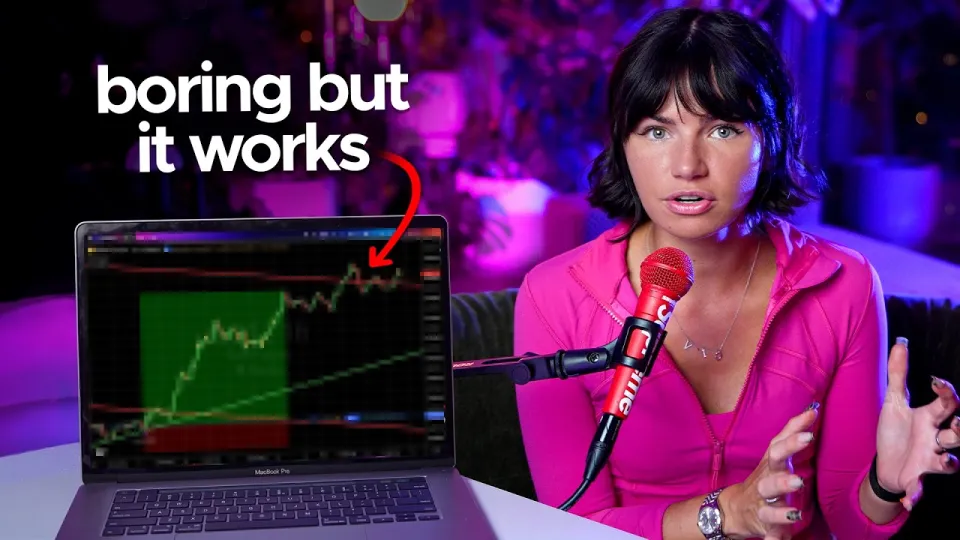
Video: Unfortunately, trading really is this simple
Step-by-Step Strategy Using Trendlines
A practical trading strategy includes the following steps:
- Identify the current trend by drawing trendlines connecting recent highs or lows on a chart.
- Monitor price action near these trendlines for confirmation of a bounce or breakout.
- Enter trades when price confirms the trendline interaction, ideally with volume support.
- Place stop-loss orders just beyond the trendline to manage risk.
- Exit trades when price reaches predetermined targets or shows signs of reversal.
This simple yet effective method can be tested on platforms like TradingView, allowing traders to practice without risking capital. The channel “Tori Trades” demonstrates such a system transparently and encourages viewers to follow along and test it themselves.
Importance of Risk Management and Trade Tracking
Managing risk is crucial in trading to preserve capital and ensure longevity in the market. Setting stop-loss orders near trendlines limits potential losses if the market moves against the trade. Additionally, tracking trades systematically helps identify patterns in performance and areas for improvement.
Tools like TradeZella (offering discounts with code TORI20) provide structured trade journaling, enabling traders to analyze their entries, exits, and outcomes objectively. Keeping records reduces emotional decision-making and helps develop discipline.
Dealing with Market Volatility
Markets, especially futures like gold, can be highly volatile, with rapid price swings occurring in seconds. Such volatility demands quick reaction times and adaptive strategies. Traders must be ready to exit positions promptly to protect profits or limit losses. The key is not to chase the market but to stick to the plan and adjust stops accordingly.
This aspect highlights that while trading systems can be simple, real-time execution requires attentiveness and experience. Understanding market behavior and liquidity can reduce the impact of sudden moves.
Addressing Common Questions in Trading
Many new traders wonder about stop placement, how to interpret trendline breaks, or the difference between stock and futures trading. Stops are ideally placed just beyond the trendline or recent swing points to avoid being stopped out by minor fluctuations. When a trendline breaks, it can signal a trend reversal or a new trading opportunity, but confirmation via volume or price action is recommended.
Futures trading often differs from stock trading due to higher leverage and volatility, making risk management even more critical. Algorithms in stock markets may cause sudden moves, but futures markets also require understanding liquidity and order flow.
Useful Links
- Join Tori Trades Waitlist for trading bonuses and insights
- TradeZella trade tracking platform
- TradeStation broker used by Tori Trades
- Tori Trades Instagram
- Tori Trades Facebook
Conclusion
Trading can be straightforward when using clear strategies like trendline trading combined with proper risk management and trade tracking. The simplicity of this approach allows traders without specialized degrees or advanced math skills to participate effectively in markets such as futures. However, success requires discipline, attention to market volatility, and continuous learning. The channel "Tori Trades" offers practical guidance and transparent systems that traders can test and adapt. For those ready to start or improve their trading journey, signing up on Tori Trades waitlist is a recommended step to access educational content and community support.
Questions & answers
Do I need a finance degree or advanced math skills to trade effectively?
No, trading can be done successfully without a finance degree or advanced math. Understanding price action, trendlines, and risk management is typically sufficient for developing a working trading strategy.
How should I place stop-loss orders when trading with trendlines?
Stops are generally placed just beyond the trendline or recent swing highs or lows to protect against adverse price moves while avoiding premature stop-outs from minor price fluctuations.
What makes futures trading different from stock trading?
Futures trading often involves higher leverage and more volatility than stocks. It requires careful risk management and attention to liquidity and price movements, as rapid swings can lead to significant gains or losses.
How can I track my trades and improve my trading performance?
Using trade tracking tools like TradeZella helps record entries, exits, and outcomes systematically. This practice allows traders to analyze performance objectively, identify strengths and weaknesses, and develop better discipline over time.
Source: Unfortunately, trading really is this simple · Markdown version